
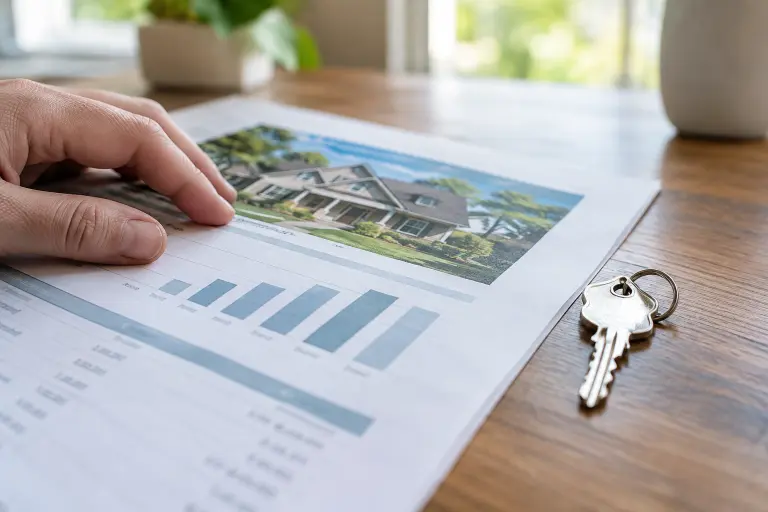
Selling a house in Ralston, Nebraska is easier when the plan fits the home and the seller’s real-life needs. Whether the property is a well-kept family home near local parks, an older house with deferred maintenance, or an inherited property that needs to be cleared out, reviewing https://launchhomebuyers.com/sell-house-nebraska/ralston can help homeowners consider a direct-sale option alongside more traditional routes.
There is no single best way to sell. Some owners want the widest possible buyer exposure and are comfortable preparing for showings. Others need a predictable closing date, want to avoid major repairs, or simply do not have time to manage an extended listing process. A strong decision starts by identifying what matters most before setting a price or accepting an offer.
Understanding the Ralston Market
National housing headlines can provide context, but they cannot price a particular house on a particular Ralston street. Buyer interest can vary based on the home’s layout, upkeep, garage space, basement finish, school preferences, traffic patterns, and proximity to daily amenities. Recent sales of homes with similar size, age, condition, and location are more useful than a broad regional average.
It also helps to separate list price from sale price. A list price is a marketing decision, while a sale price reflects the final agreement after buyers evaluate condition, financing, inspections, and competing properties. Sellers should watch active listings, pending homes when available, and closed sales to develop a realistic range.
Homeowners who want to explore an alternative to listing can also review https://launchhomebuyers.com/ after considering how much preparation, flexibility, and time they can reasonably devote to a sale.
Estimating Your Home’s Value
An online estimate can be a starting point, but it cannot fully account for a leaking roof, a renovated kitchen, an unusual lot, a finished basement, or interior condition. A real estate professional’s comparative market analysis, a lender’s appraisal, and an actual buyer offer each serve different purposes. None should be treated as an automatic guarantee of what a home will sell for.
Build a Useful Price Range
Collect three to five recent nearby sales that resemble your property. Then note meaningful differences, such as an extra bathroom, updated mechanical systems, lot size, or substantial repair needs. Use those comparisons to form a range rather than anchoring on one number. Pricing too high can reduce early interest, while pricing too low may leave money on the table.
Preparing Without Overspending
Preparation should match the selling strategy. For a conventional listing, cleaning, decluttering, improving lighting, and addressing minor visible defects can make a home easier to show. In Ralston’s changing seasons, keeping walkways clear and the exterior presentable can also help buyers focus on the property rather than immediate maintenance concerns.
High-Impact, Lower-Cost Steps
- Remove excess furniture and personal items.
- Clean kitchens, bathrooms, windows, floors, and entry areas.
- Replace burned-out bulbs and repair loose handles or dripping faucets.
- Clear gutters, walkways, and overgrown landscaping when practical.
- Keep receipts for completed repairs and recent upgrades.
Expensive remodeling deserves more caution. A major renovation may not return its full cost, especially if the seller has a short deadline. Prioritize safety concerns, water intrusion, major system failures, and defects likely to become an issue during inspection. Obtain estimates before committing to a large project.
Ways to Sell a House
Comparing methods side by side can make the tradeoffs clearer.
| Selling Method | Potential Benefits | Possible Tradeoffs |
| Traditional listing | Broad exposure and possible competing offers. | Showings, preparation, negotiations, and uncertain timing. |
| For-sale-by-owner | Direct control of pricing and communication. | Seller handles marketing, screening, and transaction coordination. |
| Direct buyer | Potentially fewer preparation demands and a simpler process. | Offer may account for repairs, resale risk, and convenience. |
When reviewing offers, compare more than price. Look at financing, earnest money, inspection and appraisal contingencies, requested closing costs, possession date, and the buyer’s ability to close. A lower offer with fewer conditions may suit one seller better than a higher offer with greater uncertainty.
A Practical Selling Timeline
- Set priorities for proceeds, speed, convenience, and closing date.
- Review the home’s condition, mortgage balance, liens, and known issues.
- Study comparable homes and choose a selling method.
- Prepare the property only to the level that supports that method.
- Evaluate offers by terms, not price alone.
- Complete inspections, title work, disclosures, and closing documents.
Paperwork to Gather Early
Create a property file before the home is marketed. Include mortgage payoff information, tax records, title documents, insurance details, permits, warranties, repair receipts, HOA materials if applicable, and tenant records if the property is rented. Early organization can reduce last-minute delays.
Nebraska sellers of many one- to four-unit residential properties generally must provide a property condition disclosure before a buyer becomes obligated to purchase, and the Nebraska Real Estate Commission explains the disclosure requirements for sellers. Sellers should complete disclosures carefully based on their knowledge and seek legal advice for contract or estate questions.
Special Selling Situations
Inherited Homes, Tenants, and Major Repairs
Inherited homes may involve probate, multiple heirs, personal belongings, or unclear authority to sign. A tenant-occupied home requires attention to lease terms, access, deposits, and respectful communication. Homes with structural concerns, water damage, outdated systems, or long vacancies may attract a narrower pool of buyers, so repair estimates and clear expectations are especially valuable.
Mistakes to Avoid
- Relying only on an automated valuation.
- Making costly upgrades without considering likely resale value.
- Ignoring liens, payoff amounts, taxes, or title questions.
- Failing to disclose known property conditions.
- Accepting an offer without reading contingencies and deadlines.
- Forgetting moving, storage, utility, and closing-related costs.
Conclusion
Selling a home in Ralston works best when the seller has realistic expectations, accurate property information, and a clear definition of success. By weighing condition, timing, workload, and net proceeds together, homeowners can choose a path that suits their circumstances in 2026.
Also Read