
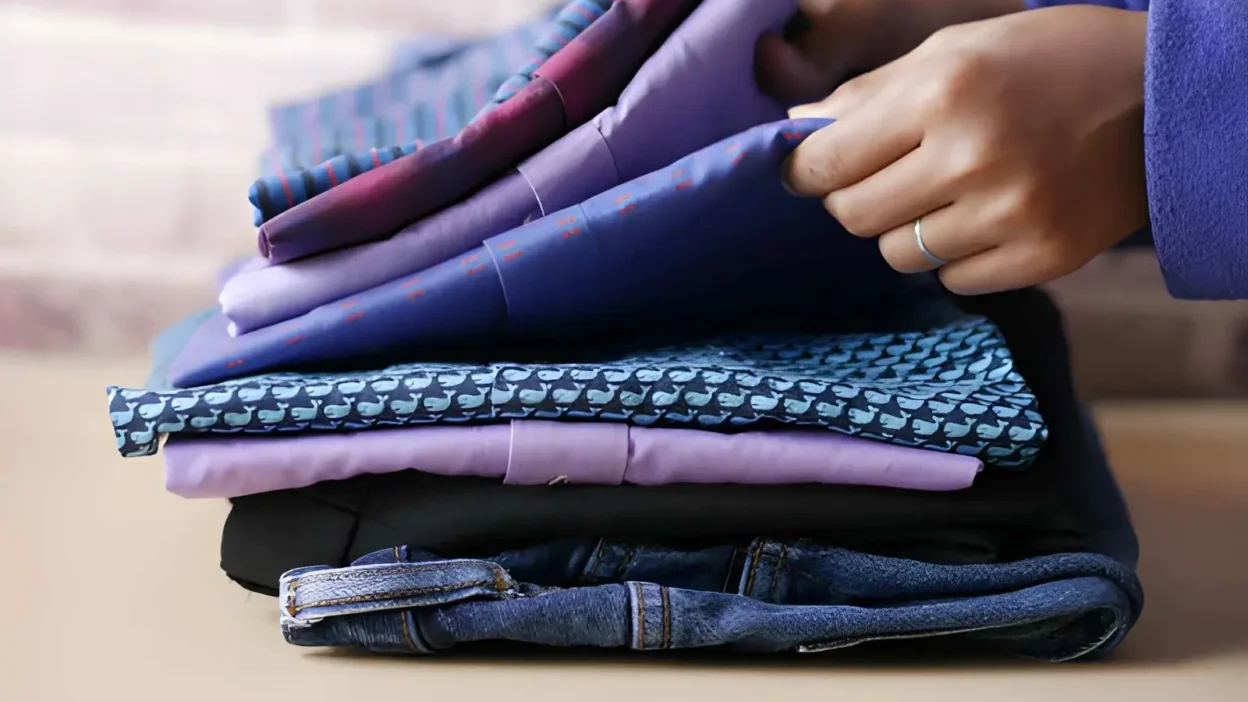
Fabric is the first thing a garment communicates. Before a consumer reads a label or checks a price tag, they touch the material, and that tactile impression shapes every judgment that follows. The decisions made during fabric selection, long before a single stitch is sewn, determine how a finished garment performs, wears, and lasts.
Why Fabric Selection Is One of the Most Important Apparel Design Decisions
Choosing a fabric is not a single choice. It is a cascade of tradeoffs between hand feel and durability, breathability and structure, and cost and performance. A fabric that drapes beautifully may pill after a dozen washes. One that holds its shape under heat may trap moisture in humid conditions. Every material brings its own set of properties, and the skill in apparel design lies in matching those properties to the garment’s intended use.
Polyester alone represented 59% of 2024 global fiber output, a figure that shows how thoroughly synthetic materials have reshaped manufacturing decisions across every clothing category. That dominance is not accidental. Polyester offers consistency, colorfastness, and durability at a scale that natural fibers cannot match. But dominance does not mean superiority in every application, and understanding where each fiber type excels is what separates thoughtful apparel design from commodity production.
Natural and Synthetic Fibers in Modern Clothing
Natural fibers, including cotton, wool, linen, and silk, have been refined over centuries. Cotton remains the standard for comfort in warm-weather clothing because of its breathability and softness against skin. Wool offers thermal regulation across a wide range of temperatures, making it a persistent choice for layering systems and tailored garments. Linen, with its open weave and moisture-releasing properties, performs well in hot, humid climates. Each has carved out its territory for good reason.
Synthetic fibers, by contrast, are engineered. Polyester, nylon, and spandex are designed with specific outcomes in mind, whether that is stretch recovery, abrasion resistance, or rapid moisture evaporation. The most effective modern fabrics often blend natural and synthetic fibers, capturing the comfort of cotton alongside the performance attributes of a synthetic component.
Cotton Blends in Everyday Wear
A cotton-polyester blend reduces the tendency of pure cotton to shrink and wrinkle while preserving much of its familiar feel. These blends are the backbone of the everyday apparel market, from casual tees to professional polos. The ratio of natural to synthetic fiber in the blend directly influences the garment’s weight, drape, and care requirements.
The Role of Spandex and Stretch Fibers
Even a small percentage of spandex, often as little as two to five percent of total fiber content, transforms how a garment moves. It allows knitted and woven fabrics to recover their shape after stretching, which is critical for fitted silhouettes and activewear. Without it, repeated wear causes garments to bag at the elbows and knees. A small addition with an outsized effect.
How Knitted Fabrics Differ From Woven Materials
The structure of a fabric, how its fibers are interlocked, is just as consequential as the fiber content itself. Knitted fabrics are formed by interlocking loops of yarn, giving them inherent stretch and a softer hand. Woven fabrics are constructed on a loom, with yarns running at right angles to one another, producing a more rigid, dimensionally stable material.
Knits are the natural choice for garments that need to move with the body: T-shirts, athletic wear, and fitted polos. Wovens lend themselves to structured pieces like dress shirts, trousers, and outerwear, where shape retention and a crisp appearance are priorities.
Jersey, Pique, and Performance Knits
Within knitted fabrics, the specific knit construction changes the garment’s character considerably. Jersey is a single-knit fabric with a smooth face and a slightly textured back, used widely in casual and athletic tops. Pique is a double-knit construction with a raised, textured surface that adds visual interest and improves air circulation, which is why it has become the standard construction for custom polo shirts. Performance knits, often built with moisture-managing synthetic yarns, take that breathability further by actively pulling sweat away from the skin.
Woven Fabrics and Garment Structure
Woven fabrics behave differently under tension. They resist stretch in the direction of the weave but allow movement on the bias, the diagonal angle between warp and weft threads. Skilled pattern makers use this property to build shape into garments without relying on darts or seams alone.
The Role of Breathability and Moisture Management
Breathability is one of the most misunderstood terms in apparel. It does not mean a fabric simply feels cool. Technically, breathability describes a material’s ability to allow water vapor to pass through it, which is what keeps a wearer comfortable during physical activity or in warm conditions.
Compared with ordinary fabrics, moisture-wicking fabrics show significant advantages across all moisture transfer stages, with moisture absorption performance identified as the most critical factor in evaluating fabric moisture management, followed by moisture conduction and evaporation capacities. That layered process, absorption, then transport, then evaporation, is what manufacturers are engineering when they develop performance fabrics.
Cotton absorbs moisture readily but holds it, which is why a damp cotton shirt feels heavy and cold. Synthetic fibers like polyester are naturally hydrophobic, meaning they repel water at the fiber level. When engineered with capillary channels or surface treatments, these fibers move moisture laterally across the fabric face, where it can evaporate quickly. The result is a garment that stays lighter and drier during activity.
How Fabric Structure Influences Garment Shape and Fit
Fabric weight, measured in grams per square meter (GSM), is one of the clearest indicators of how a garment will behave on the body. Lightweight fabrics drape and flow, making them suitable for relaxed, unstructured silhouettes. Heavier fabrics hold their shape, which supports structured tailoring and garments that need to retain a defined form after repeated wear.
Beyond weight, the finishing processes applied after a fabric leaves the loom or knitting machine alter its final character considerably. Calendering compresses the fabric surface to create a smoother hand. Brushing raises the fiber surface for a softer, fleece-like texture. Mercerization, used on cotton, swells the fiber to increase luster and dye uptake. Each finish changes not just how the fabric looks, but how it interacts with the body and the environment.
Fabric construction also determines how a garment responds to laundering. Tightly woven or knitted fabrics with low stretch are more dimensionally stable through repeated washing cycles. Looser constructions, while often softer, are more prone to distortion over time.
Developments in Textile Technology and Performance Materials
The apparel industry is investing heavily in materials that do more than cover the body. Fabrics with built-in UV protection, antimicrobial finishes, and thermal regulation are moving from specialized athletic and occupational markets into mainstream retail. Recycled fiber content, particularly recycled polyester made from post-consumer plastic bottles, has become a baseline expectation in many product categories rather than a premium feature.
The global performance fabric market was estimated at USD 80.70 billion in 2024 and is projected to reach USD 114.66 billion by 2033, with textile and apparel leading end-use segments, driven by growing consumer demand for functional, comfortable, and durable clothing. That trajectory reflects a fundamental shift in how consumers think about everyday garments, not just as aesthetic choices but as functional tools.
Smart textiles represent the next frontier, with conductive fibers and embedded sensors enabling garments to monitor biometrics or respond to environmental changes. While these applications are still maturing, the underlying research is accelerating the development of more sophisticated fiber treatments and construction methods that are already reaching everyday apparel.
Why Material Selection Matters for Different Types of Apparel
Not every garment needs the same fabric strategy. The priorities shift depending on the end use, the climate the garment is designed for, and what the consumer actually expects.
For professional and corporate apparel, fabric selection centers on:
- Wrinkle resistance to maintain a polished appearance through long workdays
- Color retention, so garments hold their appearance through frequent laundering
- Weight and drape, which signal quality and affect how the garment moves on the body
- Breathability, particularly for garments worn in warm office environments or outdoors
For casual and recreational wear, stretch recovery and ease of care take priority. For uniforms and workwear, abrasion resistance and durability often outweigh comfort considerations. In each case, the fabric is doing work that the design alone cannot accomplish.
Regional climate plays a meaningful role too. Brands designing for humid coastal markets, think Miami or Houston, lean toward open-weave constructions and moisture-managing synthetics. Those serving colder inland markets, like Minneapolis or Denver, focus on thermal retention and layering compatibility. Fabric selection is never one-size-fits-all, and the best apparel programs account for where and how garments will actually be worn.
The Takeaway
Textile innovation is not a background process. It is one of the most active areas of development in apparel, and the gap between a garment that performs well and one that merely looks the part often comes down to decisions made at the fiber and fabric stage. As performance expectations rise across all clothing categories, from workwear to weekend wear, understanding how materials behave will only become more important for brands, buyers, and designers alike.
Also Read
- https://namesvora.com/250-stylish-gaming-name-design-ideas-cool-fonts-text-effects-creative-gamer-tags/
https://namesvora.com/planning-waste-removal-around-kids-pets-and-daily-household-routines/
https://namesvora.com/how-hvac-contractors-detect-hidden-duct-damage/




[…] Read more: https://namesvora.com/the-fabric-behind-the-fit-how-textile-innovation-is-changing-everyday-apparel/ […]