A formal living room that sits unused six days a week still takes up square footage, requires maintenance, and limits what else a household can do with the space. For generations, American homes included rooms with distinct names and purposes: the parlor, the den, the sitting room, and eventually the family room. Each reflected a different idea of how people should entertain, relax, or spend time together.
Many newer floor plans have consolidated those functions into one central gathering space: the great room. But as households rediscover the value of privacy and separation, the question isn’t simply whether walls should stay or go. It’s how much a single room can reasonably be expected to do.
The Parlor Had a Job That Changed With the Times
The parlor was traditionally a place to receive visitors, entertain guests, and display a family’s most prized furnishings. It could also host music, games, and family gatherings, although its formality often distinguished it from rooms used for everyday activities.
The Victorian parlor eventually gave way to the more relaxed living room as social customs and domestic routines changed. The room didn’t disappear overnight. Its purpose evolved, and the idea of reserving a carefully furnished space primarily for visitors became less appealing to many households.
Formal dining rooms have faced similar pressure, particularly in smaller new homes where every square foot carries a cost. A 2024 residential design survey found that builders and designers were increasingly prioritizing efficient layouts, including flexible rooms and eat-in kitchens.
Kitchens now accommodate much more than meal preparation. Islands serve as homework stations, informal dining areas, and places where family members gather throughout the day. The traditional den hasn’t disappeared either, but its function often overlaps with today’s home office, media room, or multipurpose space.
Adding the Rooms Back Doesn’t Always Fix It
The obvious response to an overworked great room is to put separate spaces back on the floor plan. Sometimes that works. A dedicated office can provide privacy for calls, while a separate sitting room gives people somewhere to talk without competing with the television.
But adding rooms simply to reproduce a traditional layout can create spaces that don’t fit the household’s routines. A formal living room may become a storage area, while a rarely used den occupies square footage that could have supported a larger kitchen or more practical storage.
The better question is what the household actually needs. Families with young children may prefer connected spaces that make supervision easier. Someone working remotely might value a room with a door far more than an expansive open-plan living area.
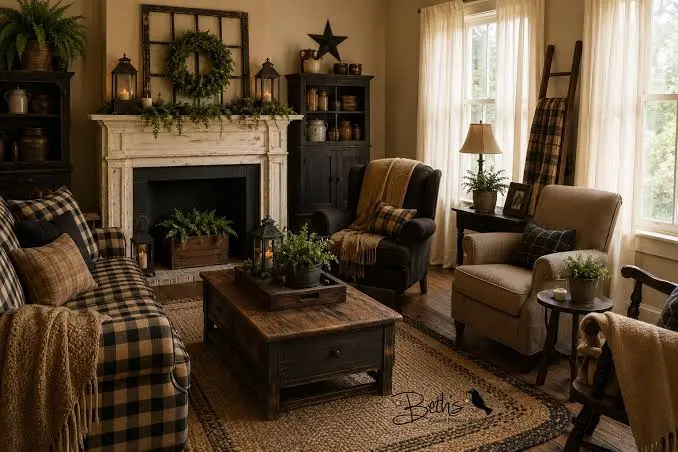
Browsing current living room layouts shows how furniture placement, lighting, and finishes can create different functions within a shared space. A visually continuous room doesn’t have to feel like one undifferentiated area.
The great room works best when its openness supports daily life rather than forcing every activity to compete for the same space.
Zoning Replaces Some Walls Inside One Big Room
A well-planned great room can accommodate several activities through furniture placement, lighting, and carefully chosen materials. The goal isn’t to make every corner completely independent. It’s to give each activity enough space and definition that the room remains comfortable.
- Conversation seating. Arrange a sofa and chairs toward one another rather than pointing every seat at the television. This gives people a place to talk without making the screen the center of every gathering.
- A reading pocket. Position a comfortable chair, dedicated lamp, and small table away from the main circulation path. A bookshelf or furniture arrangement can help define the corner visually.
- A flexible work surface. A small desk or writing table can support occasional laptop use, homework, or paperwork. Work requiring privacy or sustained concentration may still need a separate room.
- A defined media zone. Place the television where it can be viewed comfortably without dominating every seating area. Furniture orientation can help establish a boundary between watching and socializing.
These zones can make a large room more functional, but they don’t provide the same acoustic privacy as enclosed spaces. Rugs, upholstery, and curtains can reduce echoes, while separate rooms remain useful when activities require genuine quiet.
Design the Room Around the Life It Holds
Before buying furniture, spend a Saturday watching how the household moves. Where do the kids land? Which corner gets no light, and where does one adult want to read while another cooks?
A good great room plan starts with those observations, not a template labeled “great room” on a builder’s brochure.
A handful of choices can do much of the work: a large rug to define the conversation area, pendants and lamps on separate switches, soft furnishings to reduce sound reflections, and enough walking space around each zone to keep traffic from cutting through it.
The room also needs realistic limits. A reading corner beside a busy kitchen may be pleasant for casual reading but unsuitable for someone who needs uninterrupted concentration. Families who regularly host overnight guests, work from home, or have different schedules may benefit from enclosed rooms alongside their shared living space.
The parlor, den, and sitting room didn’t disappear because households stopped talking, reading, or working. Their traditional roles changed, and home design adapted by combining some activities while giving others new spaces.
The great room carries many of those functions today. The households that love theirs are the ones who planned for what it can do well, and recognized which activities still deserve a door.
Also Read
- https://namesvora.com/how-to-choose-a-unique-name-for-your-gaming-or-sports-group/
https://namesvora.com/how-to-prioritize-environmental-risks-across-multiple-departments/
https://namesvora.com/how-hvac-contractors-detect-hidden-duct-damage/