
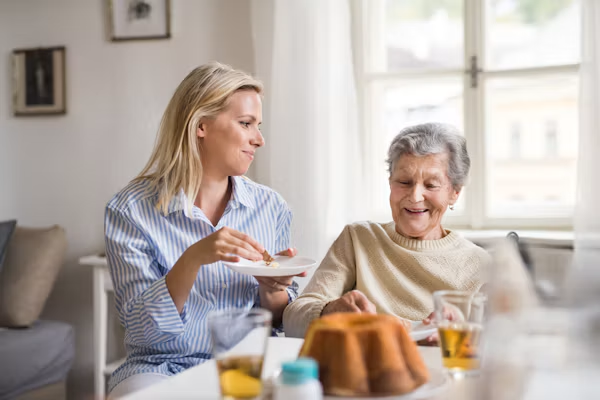
Caring for an elderly family member presents unique challenges that extend beyond medical needs. The goal of providing comfort goes much further than managing pain or illness. It involves creating an environment and daily routine that supports their physical wellbeing, emotional health, and sense of dignity. When elderly loved ones feel comfortable and cared for, they often experience better quality of life and stronger family connections. Understanding practical ways to enhance comfort can transform the caregiving experience for both you and your loved one.
Optimize Their Living Space for Safety and Accessibility
The physical environment where your elderly loved one spends most of their time plays a crucial role in their comfort level. Start by removing tripping hazards like loose rugs, cluttered walkways, and electrical cords that could cause falls. Install grab bars in bathrooms near the toilet and shower, and consider adding handrails along staircases or hallways where they move frequently. Adequate lighting throughout the home prevents falls and reduces anxiety about navigating spaces, particularly during evening hours. Rearranging furniture to create clear pathways and keeping frequently used items at waist level can significantly reduce strain and frustration. A comfortable, accessible home environment directly contributes to your elderly loved one’s independence and peace of mind.
Maintain a Consistent and Gentle Daily Routine
Elderly individuals often find comfort in predictability and structure. Establishing a consistent daily schedule for meals, medications, activities, and rest helps their body and mind function more smoothly. This routine should allow flexibility for rest periods, as many seniors require more sleep and recovery time than younger adults. Gentle activities like short walks, light stretching, or seated exercises can improve circulation and mood without causing exhaustion. Regular social interaction, whether in person or through video calls with family and friends, combats loneliness and supports emotional wellbeing. A thoughtfully designed routine respects their energy levels while providing meaningful engagement throughout the day.
Address Pain Management and Medical Comfort
Chronic pain significantly impacts comfort and quality of life for many elderly people. Work closely with their healthcare provider to understand all available pain management options, including both medication and non-medication approaches. Physical therapy, massage, heat therapy, and acupuncture represent alternatives or complements to traditional pain medication. Proper positioning with supportive pillows can relieve discomfort from conditions like arthritis or back problems. Regular medical check-ups ensure that pain symptoms are monitored and addressed promptly rather than worsening over time. Open communication with your loved one about their pain levels helps you respond quickly to their needs.
Support Their Nutritional Needs and Eating Comfort
Nutrition directly affects energy, immune function, and overall comfort, yet many elderly people struggle with appetite changes or difficulty eating. Prepare meals that are nutritious, easy to chew, and appealing to their taste preferences. Smaller, more frequent meals may be easier to manage than three large meals per day. Ensure adequate hydration by offering water, herbal tea, or their favorite beverages throughout the day. If they have dental issues or swallowing difficulties, softer foods or smoothies can maintain nutrition without causing discomfort. Eating together when possible creates a social experience that often encourages better appetite and enjoyment of meals.
Create Comfortable Temperature and Air Quality
Temperature sensitivity increases with age, and many elderly people feel cold more easily than younger adults. Maintain a warm but not stuffy environment, typically between 68 and 72 degrees Fahrenheit, adjusted based on their preference. Provide easily adjustable blankets or layers they can add or remove as needed without effort. Good air circulation prevents stuffiness while avoiding drafts that cause discomfort. If they spend time outdoors, dress them appropriately for weather conditions to prevent both overheating and excessive chilling. Attention to their thermal comfort demonstrates care and prevents health complications related to temperature extremes.
Foster Emotional Connection and Mental Stimulation
Comfort extends beyond physical needs to emotional and cognitive wellbeing. Regular conversations about topics they enjoy, whether family stories, current events, or hobbies, keep their mind engaged. Memory care activities like looking through photo albums or listening to their favorite music from earlier decades can bring joy and comfort. Families researching senior living communities that prioritize enriching, person-centered engagement often find that Discovery Commons North Shore provides structured programming and a warm community atmosphere that helps residents stay mentally active and emotionally connected. Encourage participation in mentally stimulating activities suited to their abilities, such as puzzles, reading, or learning something new together. Your presence and genuine interest in their thoughts and feelings provide irreplaceable emotional comfort.
Ensure Proper Hygiene and Grooming Support
Personal hygiene directly impacts comfort and dignity for elderly individuals. Help them maintain grooming routines like hair care, nail trimming, and skincare, which contribute to physical comfort and emotional wellbeing. Bathing or showering assistance should respect their privacy and independence while ensuring safety. Choose gentle, fragrance-free products if their skin is sensitive. Clean, comfortable clothing appropriate for the weather and their activities improves both physical comfort and confidence. Attention to these personal care details shows respect and helps your elderly loved one feel cared for and dignified.
Conclusion
Making your elderly loved one more comfortable requires attention to multiple aspects of their life, from their physical environment to their emotional needs. Each person has unique preferences and requirements, so flexibility and open communication remain essential throughout the caregiving journey. By implementing these eight approaches, you create an environment where your loved one can thrive with greater ease and confidence. The comfort and wellbeing you provide now strengthens your relationship and honors the important role they have played in your life. Small, consistent efforts to enhance their comfort yield significant improvements in their quality of life and peace of mind.
Read more: https://namesvora.com/the-fabric-behind-the-fit-how-textile-innovation-is-changing-everyday-apparel/
https://namesvora.com/how-small-businesses-can-build-a-leaner-people-operations-system/
https://namesvora.com/two-little-ducks-and-legs-eleven-where-bingo-nicknames-come-from/