Image by user4468087 on Magnific
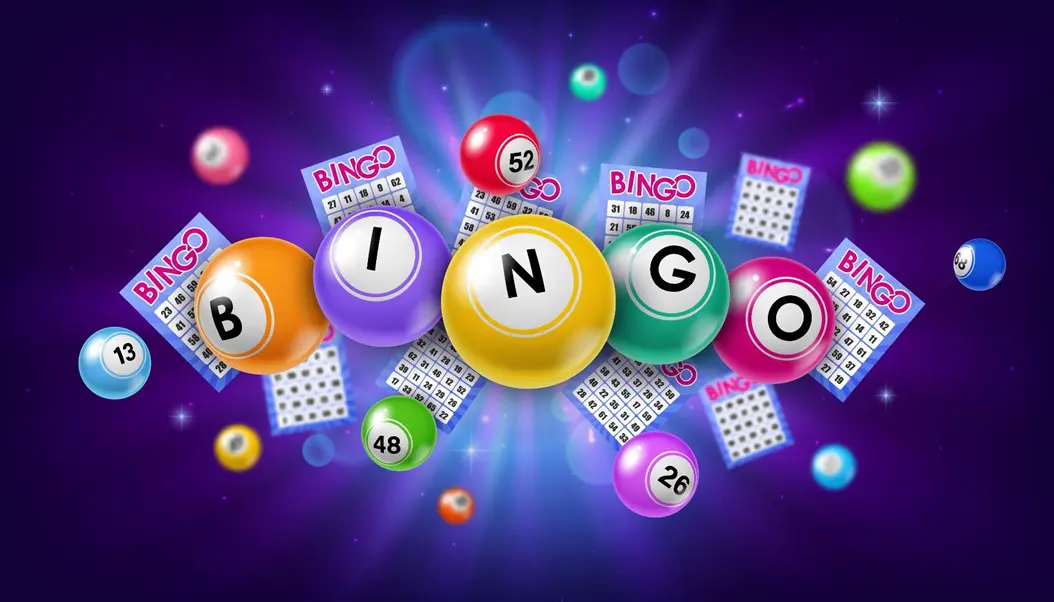
Every number from one to ninety has a second name in British bingo. Some are rhymes, some are pictures, and a few are jokes that only make sense if you know the history behind them. A good caller can run through a whole game without saying a plain number once, and a room full of regulars will still keep up.
For anyone who collects names, these calls show how a nickname is born, spreads and either sticks or fades.
The Three Ways a Number Gets a Nickname
Most bingo calls fall into one of three families. The first is the rhyme. “Dirty Gertie, number thirty” and “Garden gate, number eight” are easy to remember because the sound does the work. Nobody needs to know who Gertie was.
The second family is the picture. Here the shape of the digits suggests an object. Two 2s side by side look like a pair of ducks floating on a pond, so 22 became “two little ducks”. Two 8s look like a pair of round figures, which gave us “two fat ladies” for 88.
The third family is the reference. These calls point to a song, a custom or a bit of slang that was common when the nickname was coined. “Key of the door” for 21 recalls the old idea that 21 was the age at which you got your own front door key. “Top of the shop” for 90 simply marks the highest ball in the game.
Calls With a Back Story
Some nicknames come with more than one origin tale, and part of the fun is that nobody can prove which is true. “Kelly’s eye” for number one is the classic case. One story links it to Ned Kelly, the Australian outlaw who wore a helmet with a single slit for his eyes. Another credits a music hall act. The source is lost, but the name has outlived it.
“Legs eleven” is more obvious, since the two upright 1s look like a pair of legs. In many halls, players answer it with a wolf whistle, which shows how a call can pick up its own ritual. “Clickety click” for 66 copies the sound of a train on the rails, or of knitting needles, depending on who you ask.
“Doctor’s orders” for number nine is often traced to the army. The story goes that a pill known as Number 9 was handed out by medical officers in the First World War. It is a neat explanation, and it fits the military roots of the game in Britain, where soldiers played a version called housey-housey.
How the Game Names Its Rooms Today
The habit of naming things with a wink did not stop with the numbers. Online bingo carries it into the rooms themselves. Take the bingo section at MrQ, a UK site licensed by the Gambling Commission, where the 90-ball rooms have names that would sit comfortably next to any caller’s patter: Dab & Disco, Pinch a Penny, On the House and Cheap as Chips.
Each name tells you something. Pinch a Penny is the room built around 1p tickets, so the name describes the price. On the House is free bingo for players who have made a deposit in the last 30 days, which matches the pub phrase for a drink you do not pay for. Cheap as Chips borrows a very British idiom for its room with rolling jackpots and bigger prize pots, while Dab & Disco seems to nod to the dabber, the ink marker players once used on paper tickets.
The rooms also have chat, so players can talk to each other during a game. That keeps alive a bit of the hall atmosphere, where a caller’s nickname would often get a shouted reply.
From Cinema Seats to Bingo Halls
Bingo nicknames spread so widely because the game itself became part of British high street life. After the Betting and Gaming Act 1960 allowed commercial bingo, operators needed big rooms with plenty of seating, and many found them in old cinemas. As television pulled audiences away from the pictures in the 1960s, picture palaces up and down the country were turned into bingo halls.
That move brought hundreds of people into one room to hear the same caller, night after night, which is exactly the setting a nickname needs to take root.
Many of those buildings still stand, with their grand facades and sweeping auditoriums. Historic England has recorded and listed a number of former cinemas, and its research on these buildings often notes their second life as bingo halls.
Why Some Names Stick and Others Fade
Not every call survives. Some regional versions never left one town. A nickname tends to last when it does one of three things well:
- It rhymes cleanly with the number, so the ear can check it
- It draws a picture of the digits that anyone can see at once
- It invites a response from the room, like the whistle after legs eleven
The best calls do two or three of these at once. “Two little ducks” is visual, it rhymes loosely with twenty-two, and in plenty of halls the players answer with a “quack quack”. That kind of shared reply turns a label into a little piece of performance.
Making Up a Call of Your Own
If you enjoy inventing names, bingo is a lovely place to practise. Pick a number, look at its shape, think about what rhymes with it, and ask whether anything in current culture points to it. Then test it out loud. If it is quicker to say the nickname than the number and people still know what you mean, you have a keeper.
Callers keep adding fresh rhymes and topical jokes, and the old favourites carry on beside them. Ninety numbers, ninety stories.
Also Read
- https://namesvora.com/250-stylish-gaming-name-design-ideas-cool-fonts-text-effects-creative-gamer-tags/
- https://namesvora.com/planning-waste-removal-around-kids-pets-and-daily-household-routines/
- https://namesvora.com/how-hvac-contractors-detect-hidden-duct-damage/