
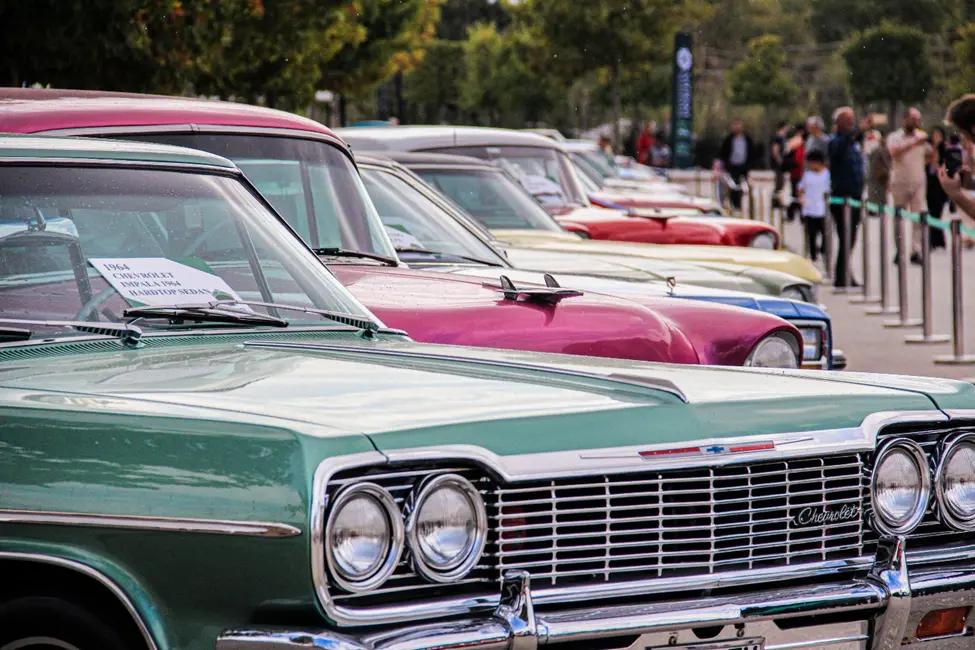
For generations, the automotive industry was shaped by familiar names. Established manufacturers built trust through engineering expertise, extensive dealer networks, and vehicles that remained on American roads for decades.
That history still carries weight, but it no longer guarantees loyalty. New technology and changing ownership habits have made trust something every automaker must continue to earn.
Heritage Still Has Practical Value
A legacy brand offers more than a recognizable badge.
It often has decades of experience producing vehicles at scale. It may also have a large service network and a well-established supply chain. For buyers, those strengths can reduce uncertainty surrounding maintenance, replacement parts, and resale value.
A vehicle is rarely judged only on the day it leaves the showroom.
Trust develops throughout ownership. Drivers remember whether repairs were completed properly and whether parts were available without long delays. They also notice how a company responds when a widespread defect emerges. A long history can reassure customers, but only when current service supports the reputation created in the past.
Trust Extends Beyond the Automaker
The modern automotive experience involves manufacturers, dealerships, repair shops, tire providers, insurers, and technology platforms. Confidence in a car brand can therefore be affected by organizations the manufacturer does not completely control.
Even services such as online Tire Warranties influence how drivers assess the ownership experience. Customers expect coverage terms to be understandable and claims to be handled without unnecessary friction. When supporting services feel confusing, that frustration can reflect on the vehicle ecosystem. Legacy brands must recognize that buyers now judge convenience and transparency alongside mechanical reliability.
Technology Has Changed the Test
Mechanical durability once formed the center of an automaker’s reputation. It remains essential, but software has become equally important. Drivers expect infotainment systems to respond to their actions quickly. They want mobile applications to connect reliably, and they expect safety features to work without creating constant irritation.
This shift presents a challenge for established companies. Their expertise may be rooted in engines, transmissions, and large manufacturing systems. Newer competitors often approach the vehicle as a connected technology product. They can appear more comfortable with frequent software updates and direct digital communication.
Legacy brands are not automatically behind. Many have extensive engineering resources.
However, customers do not evaluate those resources on paper. They judge whether the technology works in everyday life. A prestigious history cannot excuse a frozen screen, an unreliable application, or a poorly designed interface.
Electric Vehicles Are Resetting Expectations
The transition toward electric vehicles has weakened some traditional advantages. Buyers comparing electric models may care less about an automaker’s history with gasoline engines. They may focus instead on battery performance, charging access, software, and warranty protection.
That creates an opening for newer manufacturers, but it also gives established brands an opportunity. A company with a trusted dealer network can make unfamiliar technology feel less intimidating. Customers may appreciate having a nearby location where they can ask questions or arrange service.
That advantage disappears if dealership employees cannot explain the vehicle or if service departments are not prepared to maintain it. The presence of a large network means little when the ownership experience feels inconsistent.
Reputation Can Become a Burden
Heritage creates expectations. When a legacy manufacturer releases a disappointing vehicle, the reaction can be stronger because customers believe the company should know better. Past success may also encourage slow decision-making or excessive confidence in customer loyalty.
Modern buyers can compare reliability reports, ownership costs, and customer experiences within minutes. They are less dependent on advertising claims or family habits. A driver whose parents repeatedly purchased one brand may still choose a competitor after researching safety technology and long-term value. Loyalty has become more conditional because information is easier to access.
Trust Is Becoming More Specific
Consumers may trust an established ‘legacy’ brand manufacturer to build a durable truck while doubting its ability to produce intuitive software. They may admire a newer electric vehicle company’s technology while questioning its repair network. Trust is no longer a simple judgment applied to an entire brand. It is divided across design, manufacturing, service, security, and customer support.
The automotive industry still trusts legacy brands, but that trust is not unlimited. Experience remains valuable when it produces dependable vehicles and responsive service. A famous name may attract attention, yet each new product must justify the reputation behind it.
The strongest legacy brands will treat heritage as a foundation rather than a shield. They will combine proven manufacturing knowledge with reliable software and transparent ownership support. In today’s automotive market, history can inspire confidence. Only consistent performance can preserve it.
Also Read
- https://namesvora.com/250-stylish-gaming-name-design-ideas-cool-fonts-text-effects-creative-gamer-tags/
- https://namesvora.com/planning-waste-removal-around-kids-pets-and-daily-household-routines/
- https://namesvora.com/how-hvac-contractors-detect-hidden-duct-damage/