
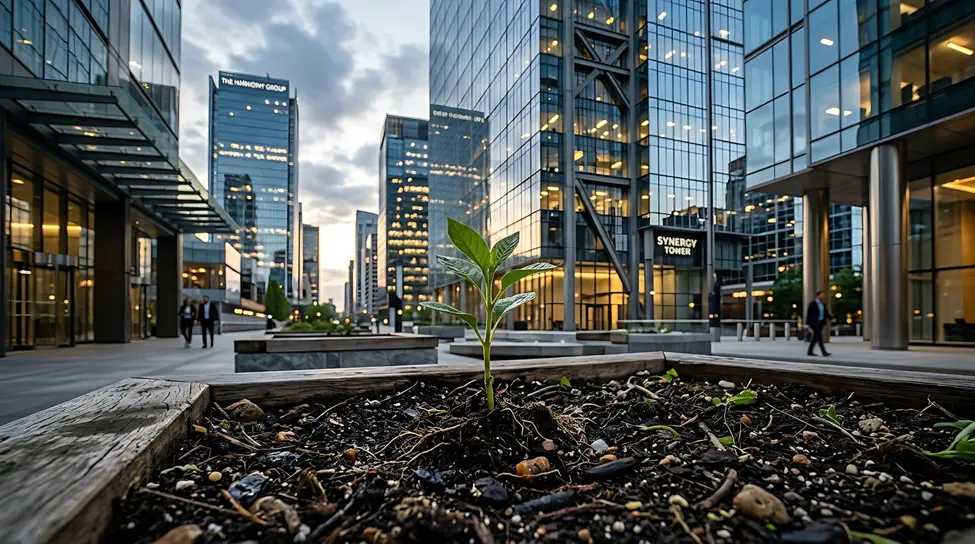
Business districts are evolving as companies rethink their workspace, customer access, and employee needs. In 2026, commercial development is shaped by flexible layouts, digital infrastructure, transport links, and sustainable planning. For anyone considering a commercial property for sale, understanding these trends can help identify features that support business needs.
A successful business district combines well-planned buildings with convenient transport, nearby services, public spaces, and surrounding neighborhoods. Investors and businesses should consider a property’s location, functionality, and adaptability before making a decision.
What Is Shaping Commercial Districts in 2026?
Commercial districts bring together workplaces and services that support business activity. Their value depends on more than individual buildings: access, surrounding infrastructure, tenant needs, and the quality of shared spaces also matter. Developers are increasingly expected to consider how people arrive, move around, work, meet, and use facilities throughout the day.
A district with clear purpose can attract businesses whose needs complement one another. Technology firms may value reliable connectivity and collaboration areas, while customer-facing businesses may prioritize visibility and convenient access. Planning that recognizes these differences can help create useful environments rather than a collection of unrelated buildings.
Major Trends Influencing Commercial Development
Several trends are shaping decisions about new business spaces. Their importance varies by location and industry, so buyers should assess each property in context rather than assuming every feature will suit every business.
1. Flexible Space and Adaptable Layouts
Businesses may change team sizes, operating models, or service requirements over time. Floor plans that allow internal areas to be reorganized can help occupants respond without major disruption. Adaptability can include movable partitions, multi-purpose rooms, and layouts that accommodate different work activities.
2. Digital Infrastructure as a Core Requirement
Reliable connectivity supports communication, cloud-based systems, digital customer services, and connected building operations. Businesses may also need suitable provisions for secure networks and access systems. Considering infrastructure early can help avoid costly changes after occupation.
3. Mixed-Use Neighbourhoods
Business districts can become more convenient when workplaces sit near food outlets, everyday services, public spaces, and residential areas. A varied local environment may support activity beyond standard office hours and give employees or visitors more options nearby.
4. Accessibility and Transport Connections
Road access, public transport, parking, and pedestrian routes affect how easily staff, clients, suppliers, and visitors reach a property. Clear entry points and safe movement around a development can improve use. The right priorities depend on the expected users and local travel patterns.
5. Energy-Conscious and Responsible Design
Natural light, efficient lighting, ventilation, water-conscious systems, landscaping, and considered material choices can support more responsible building operations. These features should be evaluated through their design and practical performance, not treated as automatic proof of sustainability.
What Buyers Should Evaluate Before Choosing a Property
A commercial space should match its intended use, not just its size or appearance. Businesses and investors can start by defining the activities the property must support, the people who will use it, and the access requirements involved. This creates a clearer basis for comparing options.
A commercial property for sale may look attractive at first glance, but its suitability also depends on planning permissions, permitted use, building condition, service infrastructure, maintenance responsibilities, and the surrounding area. Buyers should review available documents and seek qualified legal, technical, and property advice before committing. They should also consider whether the space can accommodate likely operational changes.
- Confirm permitted use and relevant approvals.
- Assess access, parking, and public transport connections.
- Review building condition and essential services.
- Compare layout flexibility with business requirements.
- Understand maintenance duties and shared-area arrangements.
- Examine surrounding development and local infrastructure.
A structured review helps separate useful features from appealing extras. It also makes it easier to identify questions that need answers before negotiations progress.
The Role of Technology and Place-Making
Technology works best when it supports the purpose of a building. Reliable internet, appropriate power provision, access controls, and well-planned service systems can help businesses operate smoothly. However, technology should be considered alongside practical design: even advanced systems cannot compensate for poor circulation, unsuitable layouts, or difficult access.
Place-making also influences how a district is experienced. Clear wayfinding, landscaping, pedestrian-friendly routes, and usable shared areas can make a development easier to navigate. These details may support a more welcoming environment for employees, visitors, and customers. Their effectiveness depends on thoughtful execution and how well they suit the people using the site.
Planning for Long-Term Business Needs
Commercial decisions often involve a longer time horizon than a company’s immediate space requirements. Buyers should consider whether the location, layout, and facilities can support future growth, changes in staffing, or evolving customer expectations. Flexibility can be valuable, but it should not replace a careful assessment of costs, access, and suitability.
- Define the intended business activity.
- Estimate current and potential space needs.
- Review location and transport access.
- Check approvals, utilities, and building services.
- Consider maintenance and operating responsibilities.
- Seek professional advice before making commitments.
A clear plan helps buyers compare properties against practical priorities rather than short-term impressions. It can also highlight where further checks are needed before a decision is made.
Conclusion
Commercial real estate trends in 2026 point towards business districts shaped by adaptability, digital readiness, accessibility, responsible design, and useful connections with their surroundings. No single feature guarantees success; the right choice depends on the intended activity, location, documents, and long-term requirements. People looking to buy commercial land should assess zoning, access, utilities, development constraints, and future plans with qualified professionals before proceeding.
For businesses and investors exploring thoughtfully planned commercial developments, Genurise Builders offers commercial projects including Genurise Tech Park and developments such as BSR Block I, BSR Block II, Sohini Tech Park, Lakshyan Academy of Sports, and Genurise Grand. Its focus on purposeful planning, quality, functionality, and sustainability provides a starting point for considering spaces designed around varied business needs.
Also Read
- Dark Female Names: 549+ Mysterious, Spy & Gothic Names 2026
- Group Chat Names for 4 People: 500+ Funny, Cool & Unique Ideas for 2026